
Why Your Hill Country Drains Clog: Roots, Scale, and Septic
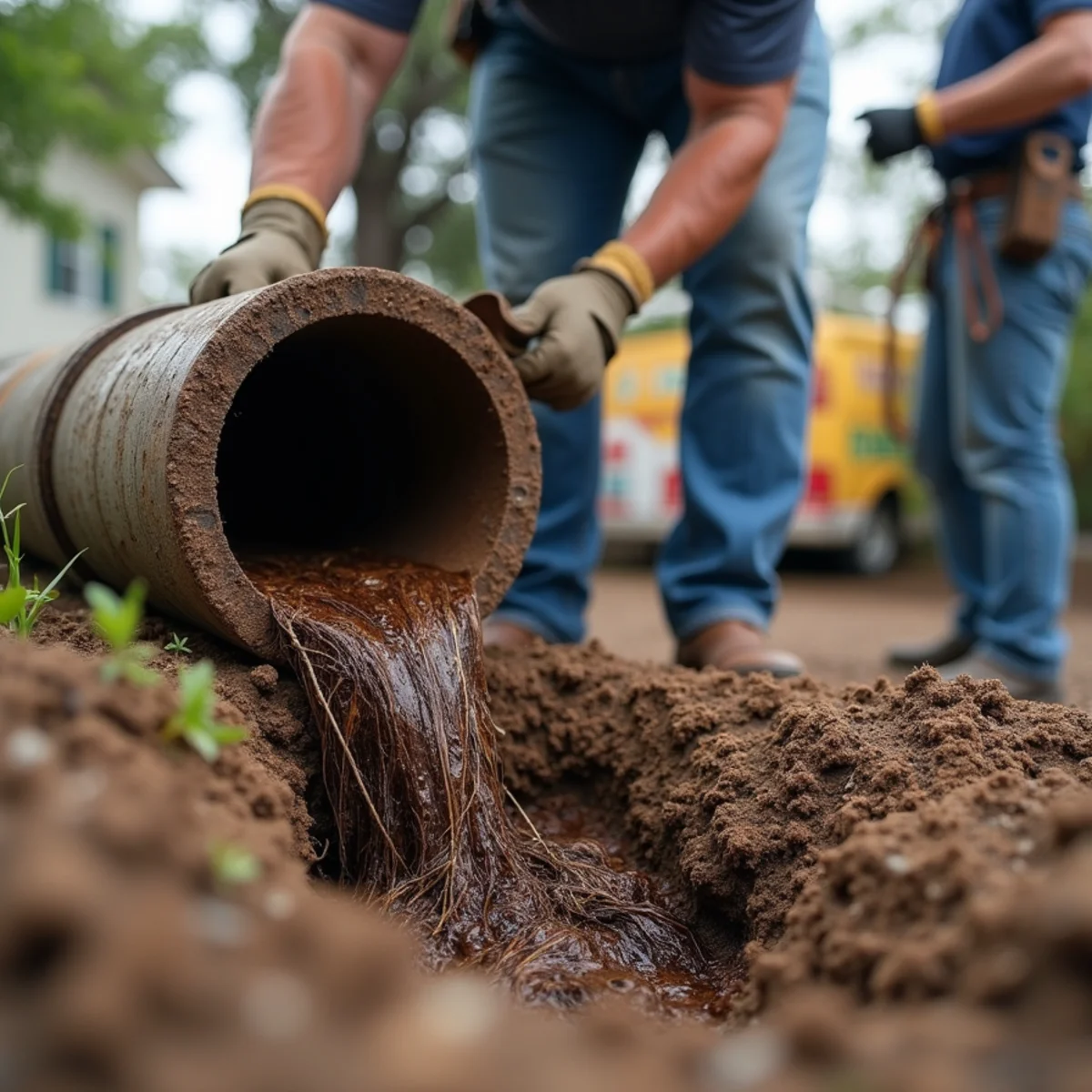
If you have lived in a city and then moved out to the Hill Country, you may have noticed your drains behave differently here. Clogs come back. A drain you cleared last spring is slow again by fall. It is not your imagination, and it is not bad luck. Drains around Wimberley and Woodcreek clog for reasons that are specific to how we live out here, and understanding them is the first step to stopping the cycle.
There are three big culprits, and most repeat clogs trace to one of them, or a combination.
Culprit One: Tree Roots
The Hill Country is covered in cedar, oak, and cypress, and their roots are relentless in their search for water. A sewer line carrying warm, moist waste is exactly what a root wants to find. Roots enter through the tiniest crack or loose joint, then grow into a mesh inside the pipe that catches everything flushed down it. This is the single most common cause of recurring main-line clogs on older properties out here.
Culprit Two: Hard-Water Scale
Our Trinity Aquifer water is loaded with dissolved calcium and magnesium. Over years, those minerals precipitate out and coat the inside of your pipes, exactly like the scale you see on a showerhead but hidden inside the drain and supply lines. Scale narrows the pipe, roughens the walls so grease and debris catch more easily, and slowly chokes your flow. A pipe that started at two inches can lose a real fraction of its diameter to decades of buildup.
Culprit Three: Septic and Aerobic Systems
Most homes out here are on septic, not city sewer, and a septic system is a living thing that has to be respected. When a tank is overdue for pumping, or an aerobic system's spray field is failing, the whole system backs up toward the house. What looks like a drain clog is really a full system that has nowhere to send more water. Flushing the wrong things, wipes, grease, harsh chemicals, disrupts the bacteria the tank relies on and speeds the failure.
- Never flush wipes, even the ones labeled flushable, on a septic system
- Keep grease out of drains, it solidifies and coats the lines
- Pump your septic tank on schedule, usually every three to five years
- Watch for slow drains all over the house at once, which points to the main or the tank
How to Tell Which One You Have
The pattern tells the story. A single slow fixture is usually a local clog, hair in a shower, grease in a kitchen line. Multiple drains slow at once points to the main line or the septic system. Recurring clogs in the same spot after rain suggest roots finding moisture. Gradual pressure and drainage loss over years fits scale. Our drain cleaning service starts by figuring out which pattern you have, often with a camera, so we treat the cause and not just the symptom.
Why Chemical Cleaners Make It Worse
The jug of drain cleaner under your sink is a poor answer to any of these. It does nothing to roots, barely touches scale, and actively harms a septic system's bacteria. Worse, it sits in the pipe and corrodes it, and it is a hazard for whoever opens the drain next. We would rather you skip it entirely and call for a real clearing.
A drain that clogs every year is not a maintenance problem. It is a message. Something in the line, roots, scale, or a struggling septic, needs to be found and fixed.— Blanco River Plumbing Co.
Breaking the Cycle
The fix depends on the cause. Roots may mean a sewer line repair to seal the entry point. Scale may mean hydro-jetting to scour the pipe clean and water treatment to slow it coming back. A septic issue means pumping and possibly field work. We serve homeowners throughout Woodcreek and greater Wimberley, and we would rather solve your clog once than keep coming back for the same one.
Habits That Keep Drains Clear
While roots and scale need a professional, plenty of clog prevention is on you day to day, and it matters even more on a septic system. Keep grease out of the kitchen drain entirely, wipe greasy pans before washing and pour cooking oil into a can, because grease that goes down warm solidifies cold and coats the pipe. Use drain screens to catch hair and food scraps. And treat your septic tank with respect, only human waste and toilet paper down the toilet, nothing labeled flushable, and no harsh chemicals that kill the bacteria doing the work.
- Run plenty of water when using the disposal, and keep fibrous scraps out of it
- Flush drains occasionally with hot water, not chemicals, to move light buildup
- Know where your septic tank and cleanouts are, and keep the schedule
- Call at the first sign of a slow main, before it becomes a full backup
None of this stops roots finding a cracked line or scale building in decades-old pipe, but good habits keep the everyday clogs from ever starting, and they buy years between the deeper cleanings.
Frequently asked questions
Recurring clogs usually mean an underlying cause the clearing did not fix, most often tree roots entering the line, hard-water scale narrowing the pipe, or a septic system that is overdue or failing.
No. Chemical cleaners kill the beneficial bacteria a septic tank depends on and can corrode your pipes. On any drain, they are a poor fix for roots or scale and a hazard to the next person who opens the line.
Most household septic tanks need pumping every three to five years, depending on tank size and usage. Neglecting it causes backups that look like drain clogs but are really a full system.
Hydro-jetting uses high-pressure water to scour a line clean, cutting through grease, scale, and root intrusion far better than a cable auger, which just punches a hole through the clog. It is safe for pipe in sound condition, and we camera the line first to confirm it can take the pressure. For a line fouled by decades of hard-water scale, jetting restores far more of the original flow.
Indirectly, yes. Softening your hard Trinity Aquifer water slows the scale that builds inside pipes and roughens the walls where grease and debris catch, so it helps keep supply and drain lines flowing over the long run. It does nothing for tree roots or a struggling septic system, though, which are separate problems. A water test tells us whether softening makes sense for your home.