Well Maintenance 101: Pumps, Pressure Tanks, and Testing
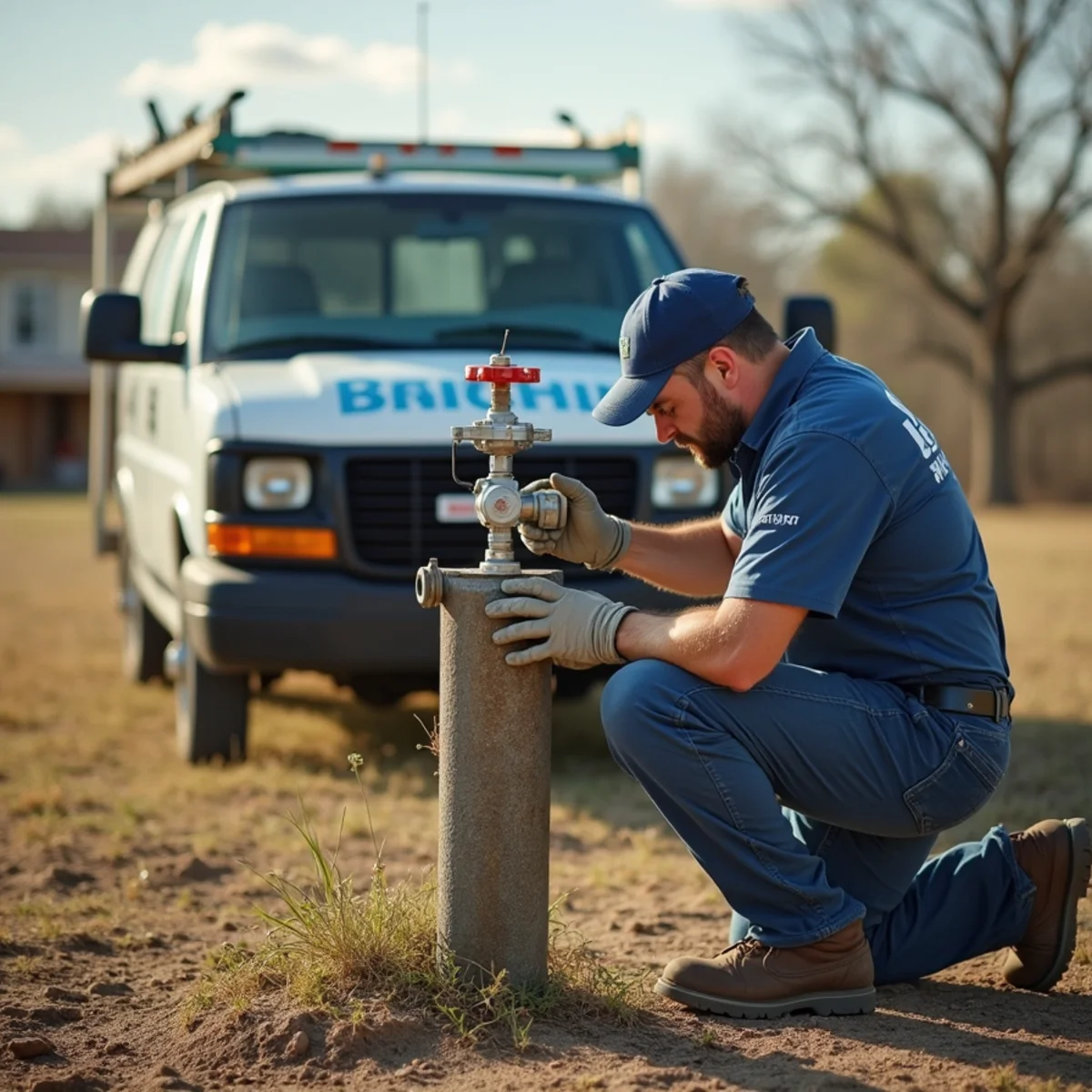
When you live on a private well, you are your own water utility. There is no city crew coming to maintain your system, and no monthly bill quietly funding upkeep. If your well fails, the water stops and it is on you. The good news is that a well is a durable, reliable thing when it is cared for, and the maintenance is not complicated once you understand the parts. This is the primer I wish every new well owner in the Hill Country got.
Let me walk through the main components, what can go wrong, and the simple habits that keep a well running for decades.
Know Your System
A typical Hill Country well has a few key parts. The submersible pump sits down in the well, often hundreds of feet deep, pushing water up. The pressure tank stores water under pressure so the pump does not run every time you open a tap. The pressure switch tells the pump when to run. And the wellhead and casing protect the whole thing from contamination. Understanding this chain helps you recognize where a problem is coming from.
Watch the Pressure
Your pressure gauge and the way your system cycles tell you a lot. Healthy wells hold steady pressure and the pump cycles on and off at reasonable intervals. Trouble shows up as:
- Short cycling, the pump rapidly turning on and off, which usually means a waterlogged pressure tank
- Fluctuating or dropping pressure at the taps
- The pump running much longer than it used to
- Sputtering or air spitting from the faucets
Maintain the Pressure Tank
The pressure tank is the component owners understand least and neglect most. Inside is a bladder separating water from an air charge, and that air charge needs to be correct for the tank to work. When the bladder fails or the charge is wrong, the tank waterlogs, the pump short-cycles, and the whole system suffers. Checking the tank's air pressure is a simple annual task, and replacing a failed tank is far cheaper than the pump damage that neglect causes.
Test Your Water
City water is tested constantly. Your well is not, unless you do it. Testing your water annually for bacteria and periodically for the minerals and contaminants common in our area protects your family's health. Our Trinity Aquifer water tends toward hardness, iron, and sulfur, and levels can shift over time. Testing tells you whether your water treatment is keeping up, or whether something has changed in the aquifer or your well.
- Test annually for bacteria, especially after any flooding
- Test periodically for hardness, iron, manganese, and nitrates
- Retest after any repair that opened the well
- Keep records so you can spot trends over the years
Protect the Wellhead
The wellhead is your defense against contamination. It should sit above ground level and grade, be properly capped and sealed, and be kept clear of chemicals, livestock, and standing water. In our flood-prone country, a low or poorly sealed wellhead is a real risk, as floodwater can carry contamination straight into your drinking water. Raising and sealing a vulnerable wellhead is worthwhile insurance.
Have It Professionally Checked
A yearly professional check catches the things a homeowner cannot easily see, the amp draw on the pump, the true condition of the tank and switch, subtle signs of a pump on its way out. Our well pump service team does these checkups throughout Dripping Springs and greater Hays County, and catching a failing pump before it strands you is worth far more than the visit costs. If yours does fail, our well pump replacement cost guide explains what to expect.
A well rarely dies without warning. It short-cycles, it sputters, it runs long. The owners who listen get to plan the repair. The ones who ignore it get the 4th of July no-water call.— Blanco River Plumbing Co.
The Payoff
Well maintenance is cheap and simple compared to emergency repairs and pump replacements. A little attention to your pressure, your tank, your water quality, and your wellhead keeps the water flowing clean and reliable for decades. It is the same lesson as everything else out here: a bit of prevention beats a lot of crisis.
Signs It Is Time to Call
Between checkups, your well will tell you when something needs attention if you know the language. Air spitting from the faucets, a steady drop in pressure, water that suddenly looks or tastes different, a pump that runs constantly or clicks on and off rapidly, or a spike in your electric bill from a pump working too hard, all of these are worth a call before they become a no-water day. Catching them early usually means a small repair, a switch or a tank, instead of an emergency pump replacement at the worst possible time.
Keep a simple log of your system, when the pump was installed, the well depth, the last water test results, and any repairs. That history is genuinely useful, both for spotting trends yourself and for whoever services the well. A well that is watched and logged rarely fails without warning, and the small cost of attention buys you years of reliable water. Out here, where you are your own utility, that reliability is worth protecting.
Frequently asked questions
Test annually for bacteria, and periodically for hardness, iron, nitrates, and other contaminants. Always retest after flooding or any repair that opened the well, since your water is not monitored like city supply.
Rapid on-off cycling is most often a waterlogged pressure tank that has lost its air charge or failed its bladder. It wears the pump out quickly, so address the tank promptly to protect the pump.
An annual professional checkup is ideal. It measures pump amp draw, tank and switch condition, and subtle wear signs, catching a failing pump before it strands you without water at the worst time.
With the pump off and the system pressure drained, use a tire gauge on the air valve at the top of the tank. The charge should read about two psi below your pump cut-in pressure. If it reads low or you get water from the air valve, the tank is waterlogged or the bladder has failed, and it needs recharging or replacing before it burns up the pump. It is a simple annual check worth doing.
A pump on its way out short-cycles, sputters air from the faucets, drops or fluctuates pressure, runs much longer than it used to, or spikes your electric bill from working too hard. Catch those early and you get to schedule a repair, often a cheap switch or tank, instead of the 4th of July no-water call. Keep a log of the well and call (831) 290-4327 at the first sign.