
Well Pump Replacement Cost in the Texas Hill Country
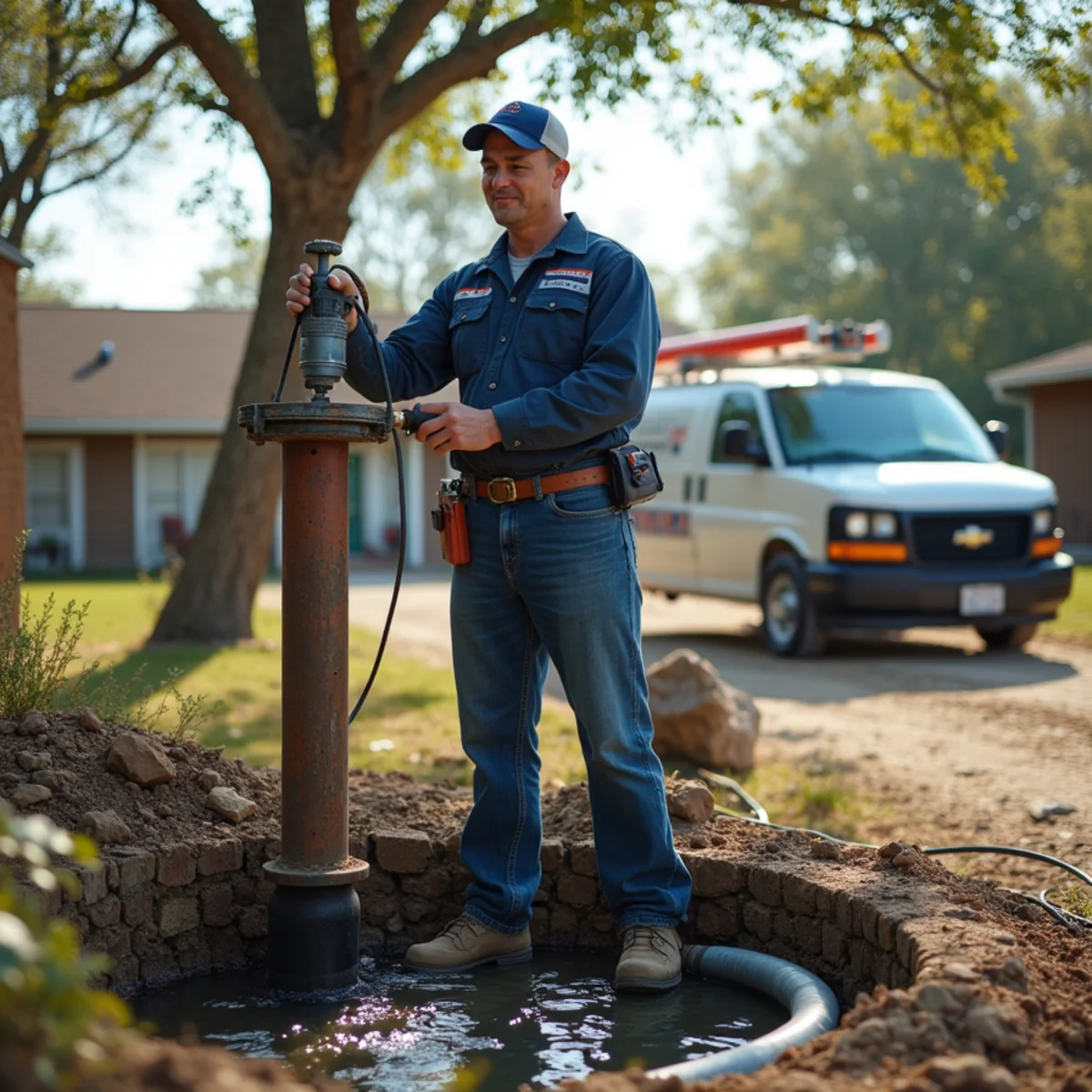
Of all the plumbing numbers people ask me about, well pump replacement is the one that resists a simple answer the most. A city dweller expects a fixed price like they would get for a water heater. But a well pump job depends on how deep your well is, what kind of pump you have, and what else in the system is worn out. Two neighbors can pay very different amounts for what looks like the same repair.
Let me walk you through the honest drivers so you understand your quote instead of just reacting to it.
Why Depth Changes Everything
| Well depth | What the job involves | Relative cost |
|---|---|---|
| Shallow (under 100 ft) | Jet or shallow submersible pump, easier pull | Lowest |
| Mid (100–300 ft) | Submersible pump, more drop pipe and wire | Moderate |
| Deep (300 ft+) | Heavy pull, larger pump and wire, sometimes a rig | Highest |
A submersible pump sits at the bottom of your well, hanging on a pipe and a wire that can run anywhere from 100 to 600 feet or more down in the Hill Country. To replace it, we have to pull all of that back up, and the deeper the pump, the more pipe, wire, and labor the job takes. A pump at 150 feet is a very different afternoon than a pump at 500 feet. That single variable is why well pump costs range so widely.
Pump Type and Horsepower
Submersible pumps, which sit down in the water, are the most common in our deeper Trinity wells. Jet pumps, mounted above ground, show up on shallower wells. Within those, horsepower matters. A home with high demand, a long run to the house, or a need to lift water a long way up needs a stronger pump, and stronger pumps cost more. Getting this sizing right matters, because an undersized pump short-cycles and dies early while an oversized one wastes energy.
What Else Might Need Replacing
When we pull a pump, we often find other worn components. Replacing them while the well is open saves you a second service call later. Common companions to a pump job include:
- The pressure tank, if it is waterlogged or the bladder has failed
- The pressure switch and control box, which wear alongside the pump
- The drop pipe and wire, if corroded or damaged
- The pitless adapter or well seal, if leaking
- A torque arrestor and new safety rope, cheap insurance on a deep set
Repair vs. Replace
Not every well problem is a dead pump. Sometimes it is a bad capacitor, a failed switch, or a waterlogged tank, all of which are far cheaper than a full pump replacement. This is why a proper diagnosis matters before anyone pulls the pump. Our well pump service starts with testing the system from the top, so we do not pull a good pump chasing a twenty-dollar switch. If it turns out the pump is genuinely done, we tell you plainly.
The Cost of Waiting
A pump rarely fails without warning. Short cycling, sputtering, dropping pressure, and running longer than it used to are all signs of a pump on its way out. Catching those early lets you plan a replacement instead of paying emergency rates when you have zero water on a holiday weekend with a full house. Our well maintenance guide covers the checks that give you that early warning.
Nobody plans a well pump replacement. But the folks who watch their pressure and their run times get to schedule it, instead of the well scheduling it for them.— Blanco River Plumbing Co.
Local Knowledge Matters
Wells around here vary a lot from the river bottom in Wimberley up to the higher, deeper wells around Dripping Springs. Knowing the local water table, the typical well depths in your area, and how our hard water treats equipment lets us size and set a pump that lasts. It also lets us give you a realistic quote instead of a wild guess. If your water has iron or sulfur issues, pairing the work with water treatment protects the new pump and everything downstream of it.
Getting the Most From a New Pump
A new pump is an investment, and how it is installed and cared for determines whether you get eight years or fifteen out of it. Proper sizing for your well depth and household demand is the foundation, because a mismatched pump either short-cycles itself to death or runs constantly. A correctly charged pressure tank protects the pump from rapid cycling. And on our mineral-heavy water, treatment ahead of the system keeps iron and scale from fouling the pump and everything downstream of it.
We also install a few inexpensive safeguards that pay for themselves. A torque arrestor keeps the pump from twisting against the casing on startup. A safety rope means a dropped pump can be recovered without fishing. And a properly rated wire and connections prevent the electrical failures that strand a good pump. These are the details that separate a pump that lasts and one that comes back up in five years. When we quote a job, we build these in rather than shaving them off to hit a lower number.
Frequently asked questions
It varies significantly with well depth and pump type, because everything below the wellhead must be pulled and reset. A shallow pump and a deep one can differ by thousands of dollars.
Many symptoms trace to cheaper parts like a pressure switch, capacitor, or waterlogged tank. A proper diagnosis from the top of the system determines whether the pump itself has actually failed.
A quality submersible pump often lasts 8 to 15 years, depending on water quality, cycling, and sizing. Hard, mineral-heavy water and frequent short cycling shorten that life considerably.
Your original well log or well completion report lists the well depth and pump setting, and the paperwork from the last pump service often does too. County groundwater district records may have the log on file. Depth is the single biggest driver of replacement cost, so digging out that paperwork before we quote helps us give you a real number instead of a wide guess.
It depends on your well. Submersible pumps sit down in the water and suit the deeper Trinity wells common around here, delivering steady pressure from hundreds of feet down. Jet pumps mount above ground and fit shallower wells. Most homes in this area run submersibles. Matching the pump type and horsepower to your well depth and household demand is what makes it last, so it is worth getting the sizing right.