
Hard, Iron, and Sulfur: Fixing Trinity Aquifer Well Water
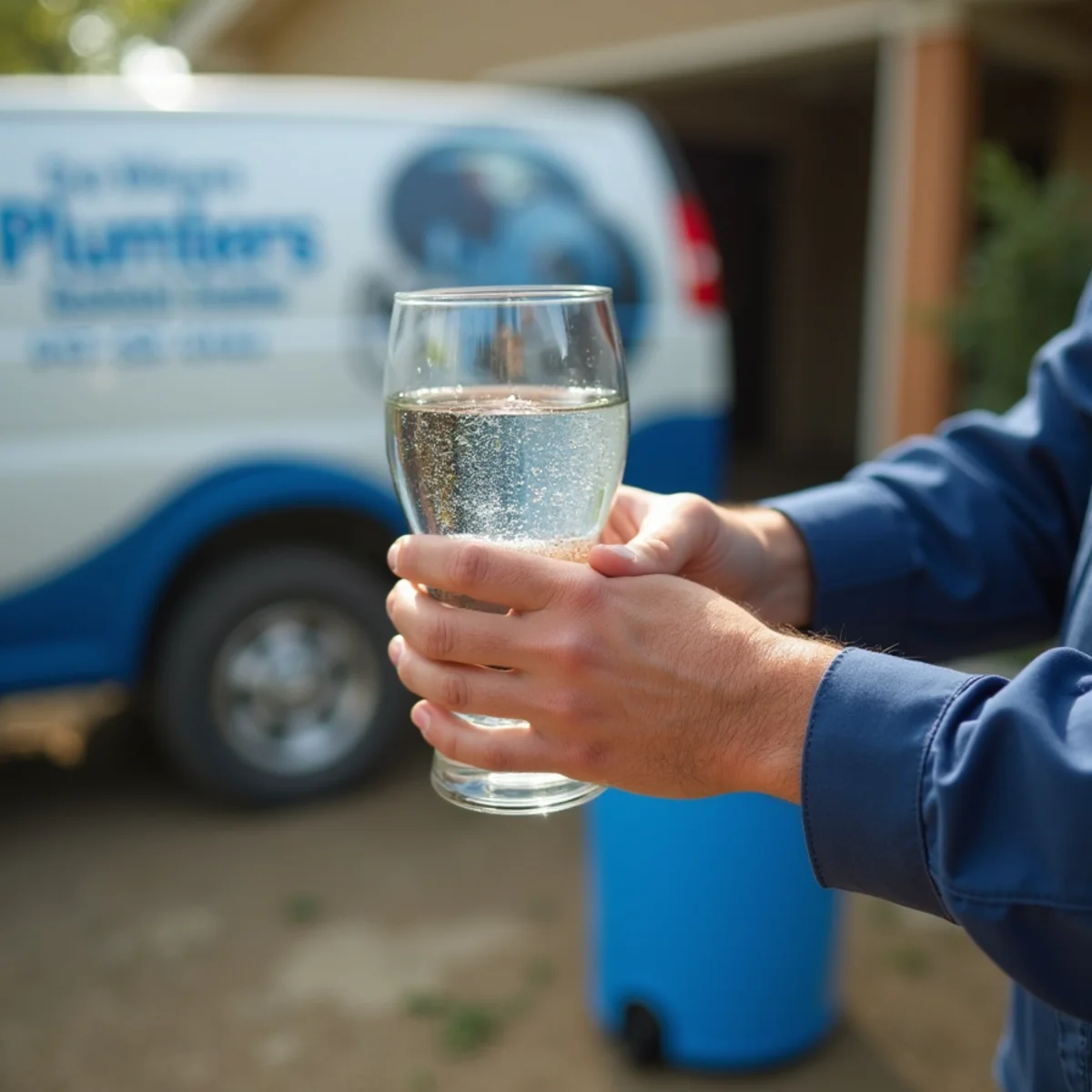
The Trinity Aquifer is the reason so many of us can live out here on wells instead of city water, and I am grateful for it. But nobody would call it easy water. It comes up hard, meaning loaded with dissolved calcium and magnesium, and it often carries iron and hydrogen sulfide on top of that. If your fixtures are stained, your water smells like rotten eggs, or your appliances keep dying young, the aquifer is talking to you.
The good news is that every one of these problems is fixable once you know what you are dealing with. Let me break down the three big issues and how we solve them.
Hardness: The Scale Machine
Hardness is the foundational problem. Those dissolved minerals precipitate out as scale everywhere hot water flows, inside your water heater, your pipes, your fixtures, and your appliances. Scale steals water heater capacity, clogs showerheads, spots your dishes, and shortens the life of everything it touches. It is the reason water heaters fail early in the Hill Country. A water softener, which swaps the hardness minerals for sodium, is the standard fix and the biggest single upgrade most well homes can make.
Iron: The Staining Problem
Iron is what leaves the orange-brown stains in your toilet tank, your tubs, and your laundry. It comes in a couple of forms, dissolved clear-water iron that stains after it hits air, and already-oxidized red-water iron. Iron also feeds a slimy bacteria that can clog fixtures and lines. Removing it usually takes an oxidizing filter or a specialized iron filter ahead of the softener, because too much iron will foul a softener over time.
Sulfur: The Rotten-Egg Smell
That rotten-egg smell is hydrogen sulfide gas, and it is common in Trinity wells. It is usually more of a nuisance than a health hazard at typical levels, but it makes water unpleasant to drink and shower in, and it can corrode plumbing and metal fixtures over time. Sometimes the smell comes from the aquifer itself, and sometimes it is created inside the water heater by a reaction with the anode rod. Pinning down the source matters, because the fix differs.
How We Diagnose It
Every well is different, even between neighbors, so we start with testing. A good water analysis measures hardness, iron, manganese, hydrogen sulfide, pH, and bacteria. From there we design a treatment train in the right order, because sequence matters. Get it wrong and you foul an expensive filter or waste money on equipment that cannot keep up.
- Test the raw water to identify exactly what is present and at what levels
- Address iron and sulfur first, usually with oxidizing or specialized filtration
- Soften the water to remove hardness and protect downstream equipment
- Add drinking-water polishing, like reverse osmosis, at the kitchen if desired
What Good Treatment Buys You
- Water heaters and appliances that last years longer
- No more orange stains on fixtures and laundry
- Soap that lathers and skin that does not feel filmy
- Clear, odor-free water that is pleasant to drink and cook with
- Fewer clogs and less scale narrowing your pipes over time
A System Sized for Your Well
The wrong-sized or wrong-type system is worse than none, because it gives false confidence while your equipment keeps corroding. Our water treatment service designs around your actual test results and your household demand, and we serve well homes throughout Hays County. Treatment also protects the investment in a new well pump or water heater, so it pays for itself in equipment life.
Every Trinity well is its own puzzle. The answer is never a jug of chemicals from a shelf. It is a test, then a system built for that specific water.— Blanco River Plumbing Co.
Maintaining Your Treatment System
Treatment equipment is not install-and-forget. A softener needs salt kept topped up and an occasional cleaning of the resin, especially where iron is present, because iron fouls the resin bed over time. Iron and sulfur filters need their media checked and backwashing verified. A reverse osmosis unit at the kitchen needs its filters and membrane changed on schedule. Neglect any of these and the water quietly slides back toward where it started, often without an obvious warning until the stains return or the smell comes back.
Retesting once a year tells you whether the system is still doing its job and whether the aquifer has shifted, which it can. Well water is not static, and a drought or a change in draw can move your iron or hardness levels. We service and tune the systems we install, and we can look at equipment another company put in that is no longer keeping up. The goal is simple: water you never have to think about, because it is clean, clear, and easy on your home.
Frequently asked questions
That smell is hydrogen sulfide gas, common in Trinity Aquifer wells. It can come from the aquifer itself or from a reaction inside your water heater, so identifying the source guides the fix.
Iron in your well water causes those orange-brown stains. Dissolved iron oxidizes when it hits air and stains fixtures and laundry. An iron filter ahead of a softener removes it.
Yes. Every well differs, even next-door neighbors. A water test measures hardness, iron, sulfur, pH, and bacteria so the system is sized and sequenced correctly instead of guessed at.
It depends entirely on what your water test shows and how many stages it needs, since an iron and sulfur home needs more than one that is only hard. We size the system to your actual test results and household demand rather than quoting a guess, and give you a written line-item estimate. Testing first is what keeps you from overspending on the wrong equipment. Call (831) 290-4327 for a water test.
Hardness, iron, and sulfur are mostly nuisance issues rather than health hazards at typical levels, but your well is not monitored like city water, so the only way to know it is safe is to test it. A good analysis checks bacteria, nitrates, pH, and minerals. Test annually and after any flooding. If a test turns up bacteria or high nitrates, that is a health matter to address before drinking.