Fall Plumbing Checklist for Hill Country Homes
Fall in the Hill Country is a gift, the heat finally breaks, the cypress trees along the creeks turn, and the tourists thin out after the summer rush. It is also the single best time of year to get your plumbing ready for what comes next. Winter in central Texas is unpredictable, and the homes that sail through it are the ones that did a little work in October and November instead of scrambling in January.
Here is the checklist I run through with my own home, and it works whether you are a year-round resident or getting a cabin ready for the cold.
Protect Against the Freeze
The number one fall priority in the Hill Country is preparing for cold, because a hard freeze here does more expensive damage than anything else. Before the first cold snap:
- Disconnect and drain garden hoses, and cover exterior spigots
- Insulate exposed pipes in the attic, crawl space, and exterior walls
- Locate your main water shutoff and make sure it turns freely
- Check that outdoor and well-house faucets are protected
Service the Water Heater
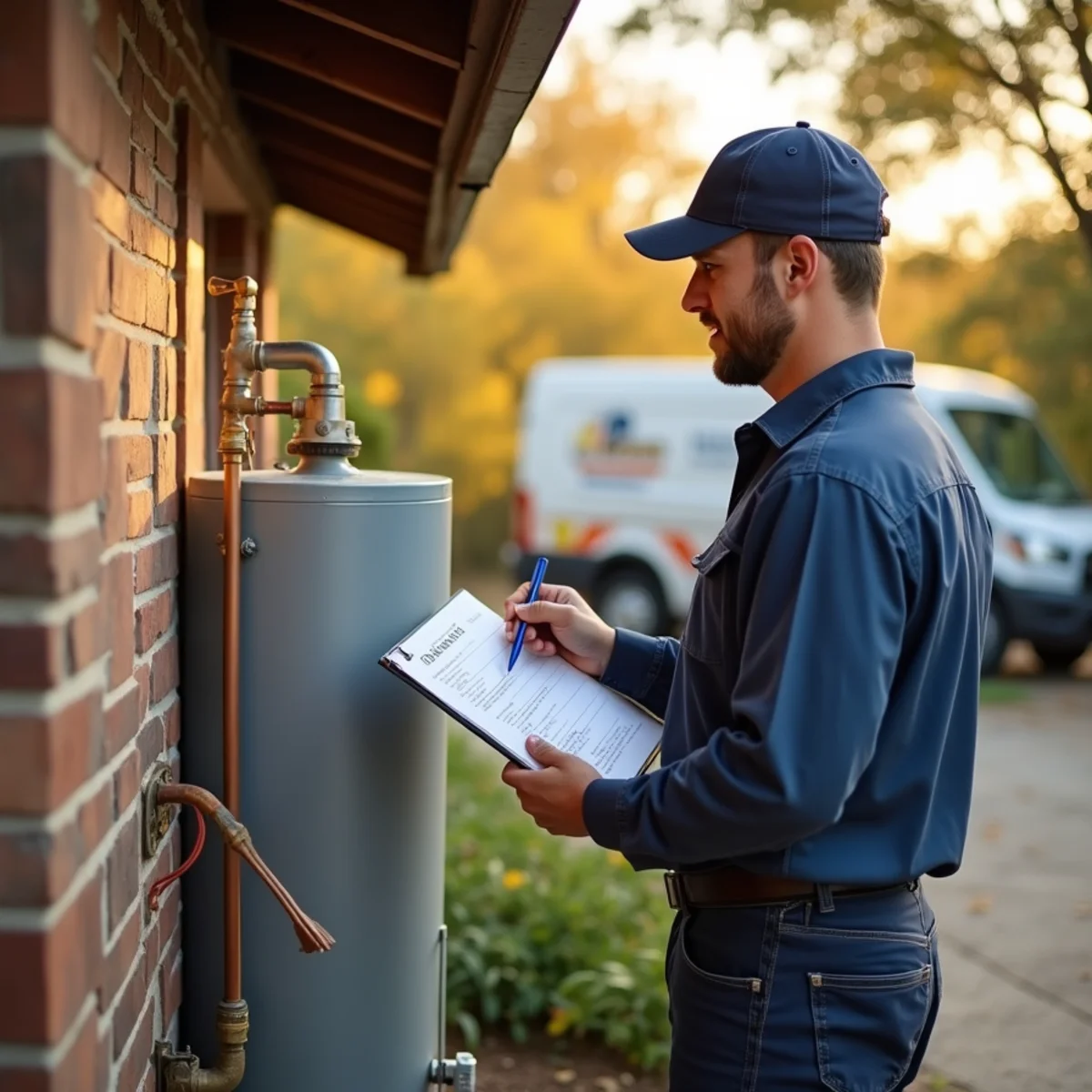
Your water heater works hardest in winter, when incoming water is coldest and demand for hot showers peaks. Fall is the time to flush out the sediment that builds up in our hard Trinity Aquifer water, check the pressure relief valve, and make sure the unit is ready for the load. A heater that fails in January is a cold, miserable, and often more expensive repair than a fall tune-up.
Check Every Fixture
Fall is a good time to walk the house and check your fixtures, because small problems fixed now do not become big ones over a busy holiday season. Look for dripping faucets, running toilets, and slow drains. A running toilet quietly wastes hundreds of gallons and inflates your water bill, or overworks your well pump. Our fixture repair service handles the worn faucets, valves, and toilet parts that fail with age, and catching them now saves the holiday-guest headache.
- Test every faucet for drips and check under the sink for leaks
- Confirm no toilet is running or ghost-flushing
- Run each drain and note any that are slow
- Check the water pressure, which should be steady and strong
Look After Your Drains and Septic
The holidays bring guests, big meals, and a lot of extra load on your drains and septic system. Getting ahead of it in fall prevents a backup at the worst possible time. If your drains have been slow, clear them now with proper drain cleaning rather than waiting for Thanksgiving to expose the problem. If your septic tank is due for pumping, fall is a fine time to schedule it before the holiday load.
Tend to the Well
Well homes have their own fall checklist. Check your pressure tank and switch, confirm the pump is cycling normally, and make sure the wellhead and any above-ground equipment are protected against the coming cold. A pump that has been short-cycling all summer is one you want to address before winter, not during it.
Plan for Empty Cabins
If you have a cabin or rental that will sit empty during winter cold snaps, fall is the time to make a plan, whether that is keeping heat on, winterizing between stays, or having someone check on it. Our winterizing guide walks through it in detail. Getting this right in November prevents the burst-pipe flood that ruins a cabin in February.
The best plumbing repairs are the ones that never happen because you spent a Saturday in fall getting ready. That is the whole game up here.— Blanco River Plumbing Co.
Need a Hand?
If your fall walkthrough turns up problems, or you would rather have a pro run the checklist for you, we are glad to help. We serve homeowners throughout Wimberley and the Hill Country, and a fall visit is far cheaper than a winter emergency.
Do Not Overlook the Outdoors
Fall maintenance is not only inside the house. Outdoor plumbing takes the first hit when cold arrives, and it is easy to forget until something splits. Blow out or drain any irrigation system before the freeze, because sprinkler lines and backflow preventers sit right at the surface and crack readily. Insulate exposed backflow devices and outdoor spigots. If you have a pool, pond, or rainwater collection setup, make sure their pumps and lines are protected too. These outdoor components rarely get attention, which is exactly why they are such common freeze casualties.
While you are outside, cast an eye over the grounds for plumbing clues. A patch of ground that stays wet or unusually green can mean a buried leak in a supply or irrigation line. A sewer or septic smell in the yard points to a problem worth investigating before winter. And clear leaves and debris away from any drainage paths, so the first big rain does not pool against your foundation. Ten minutes walking the property in fall often catches something that would have become a headache in January.
Frequently asked questions
Preparing for freezes tops the list: disconnect and drain hoses, insulate exposed pipes, and fix any dripping outdoor faucets. A hard freeze causes the most expensive plumbing damage we see.
Yes. Flushing sediment before winter, when the heater works hardest, keeps it efficient and extends its life. In our hard well water, annual flushing makes a real difference.
Holiday guests add heavy load, and a small drip or running toilet becomes a bigger problem at the worst time. Catching worn faucets and toilet parts in fall avoids a mid-gathering failure.
Do it in fall, before the first hard freeze, not after something splits. Disconnect and drain garden hoses, cover exterior spigots, and blow out or drain any irrigation system, since sprinkler lines and backflow preventers sit right at the surface and crack readily. Insulate exposed backflow devices too. These outdoor components get overlooked, which is exactly why they are such common freeze casualties.
You can thread an inexpensive gauge onto an outdoor hose bib to read your static pressure, which should sit in a normal range, roughly 40 to 80 psi. Pressure that is too high stresses every fixture and connection and shortens their life, and a pressure regulator set correctly fixes it. If your reading is off or swings around, have it checked before winter loads the system. Call (831) 290-4327.