
What the 2021 Texas Freeze Did to Wimberley Wells and Cabins
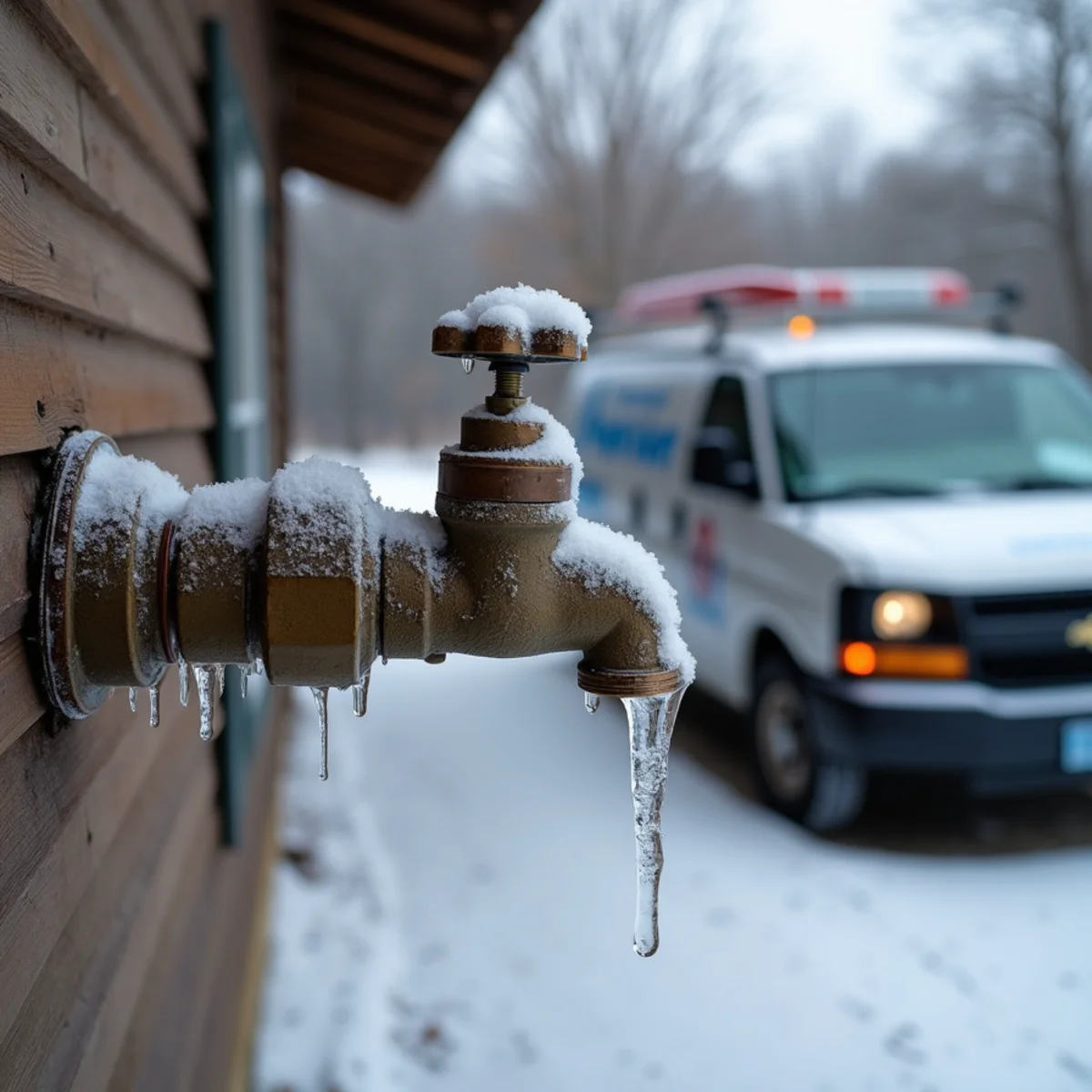
In February 2021, an arctic blast pushed down into Texas and stayed for days, dropping temperatures far below what our homes, our grid, and our plumbing were built to handle. Pipes that had never frozen in decades burst. Wells lost power and then froze. Cabins that sat empty came apart from the inside as ice split their lines. The Hill Country got a hard education in cold-weather plumbing, and it is worth remembering before the next one.
Because it will happen again. Maybe not as severe, but our infrastructure and many of our homes are simply not built for sustained hard freezes, and preparation is cheap compared to the alternative.
Why Texas Plumbing Froze
Homes in warm climates are built assuming pipes stay warm. Water lines run through uninsulated attics, exterior walls, and crawl spaces that are fine in a normal winter and deadly in a sustained freeze. When water freezes it expands, and that expansion generates enough force to split copper, crack fittings, and rupture plastic. The break often does not reveal itself until the thaw, when the ice melts and water pours out of the crack.
What Happened to Wells
Well homes faced a double hit. First, the rolling blackouts cut power to well pumps, leaving families with no water at all in the middle of a crisis. Second, exposed well equipment, pressure tanks, above-ground piping, and pump houses froze solid where they were not protected. Many well owners learned that their pump house was really just a thin shed offering little real insulation. Our well pump service team spent weeks afterward replacing frozen and cracked components.
The Empty Cabin Problem
Wimberley has a lot of cabins and rentals that sit empty in winter, and those suffered the worst. With no one home to run water, notice a problem, or keep heat on, they froze silently. Some owners were hours away and did not learn of the damage for days. An empty, unheated cabin in a hard freeze is the highest-risk plumbing situation there is, which is why our winterizing guide exists.
The Lessons Worth Keeping
- Insulate exposed pipes in attics, crawl spaces, and exterior walls
- Protect the well head, pressure tank, and pump house with real insulation and a heat source
- Know how to shut off and drain your system before leaving a cabin cold
- Keep a trickle of water moving through faucets during a hard freeze
- Have a local contact who can check an empty property during a cold snap
PEX and Modern Materials Help
One quiet lesson of 2021 was that not all pipe fails equally. PEX, which flexes as it freezes, survived in many places where rigid copper and old galvanized split. Homes that had been repiped in modern materials generally fared better. If you are already opening walls to fix freeze damage, it is often the right moment to consider repiping with freeze-tolerant materials rather than patching the old lines back together.
Prevention Is Cheap
Everything that failed in 2021 could have been mitigated for a fraction of the repair cost. Pipe insulation, heat tape, a properly protected pump house, and a plan for empty cabins add up to very little against the price of a burst-pipe flood and days without water. Our freeze protection service handles all of it, and we serve homeowners and cabin owners throughout Wimberley. If a pipe does burst, our burst pipe repair guide walks you through the first moves.
2021 was not a freak we can forget. It was a preview. The homes that prepare now are the ones that come through the next one dry.— Blanco River Plumbing Co.
During and After the Freeze
When a hard freeze is actually here, a few actions in the moment matter. Let faucets on exterior walls drip, because moving water is much harder to freeze than still water, and open the cabinet doors beneath those sinks so household heat reaches the pipes. Keep the heat on even if you are leaving, and never drop it below the mid-fifties in a freeze. If you do lose water to a frozen line, do not use an open flame to thaw it, that starts fires and can burst the pipe faster. Warm it gently and be ready to shut the main if it splits.
After the thaw is when hidden damage shows itself, so walk the house and check. Look under sinks, in the attic and crawl space, and around the water heater for drips or new stains. Watch your water pressure, because a drop can signal a break feeding a slow leak inside a wall. Well owners should confirm the pump, pressure tank, and above-ground lines all came through intact. Catching a small post-freeze leak early is the difference between a quick repair and a soaked ceiling a week later.
Frequently asked questions
Texas homes are built assuming warm pipes, with lines in uninsulated attics and exterior walls. Sustained hard cold froze that water, and expanding ice split pipes that had never frozen before.
An empty cabin often has heat off and no one to run water or notice a problem. Pipes freeze silently and can burst days later at the thaw, sometimes before the owner even knows.
PEX flexes as water freezes and often survives cold that splits rigid copper or old galvanized. It is a strong choice for Hill Country cabins that sit cold in winter, though no pipe is fully freeze-proof.
Open the faucet the pipe feeds so melting water can escape and relieve pressure, then warm the pipe gently with a hair dryer, a heat lamp, or towels soaked in hot water, working from the faucet end back toward the freeze. Never use an open flame, which starts fires and can burst the pipe faster. If you cannot reach the frozen section or it has already split, shut the main and call (831) 290-4327.
Yes. Moving water is much harder to freeze than still water, so let faucets on exterior walls run a slow trickle during a sustained freeze, and open the cabinet doors under those sinks so household heat reaches the pipes. Keep the heat on even if you leave. A trickle and a little heat are cheap next to the burst-pipe flood that so many Wimberley cabins suffered in 2021.