
Ten Years After the 2015 Blanco River Flood: Plumbing Lessons
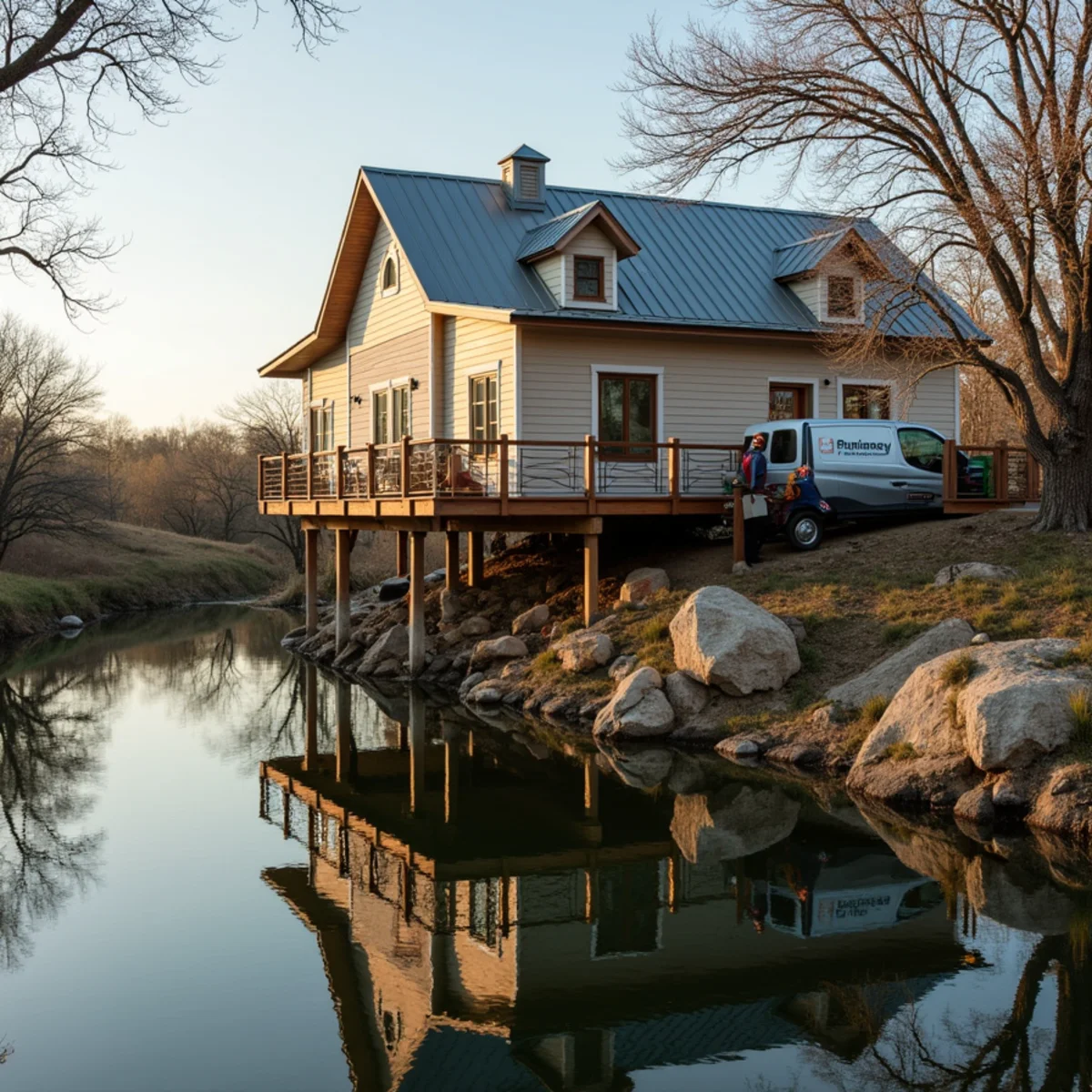
On Memorial Day weekend in 2015, the Blanco River rose faster than anyone thought possible, cresting near 44.9 feet at the RR 12 bridge and sweeping away homes that had stood for generations. Somewhere around 350 to 400 homes were lost or heavily damaged. A decade later, the community has rebuilt, but the lessons of that night deserve to be carried forward, especially the practical ones about how homes and their plumbing survive, or do not survive, a flood.
I share these with respect for what people here lived through. This is not about fear. It is about the hard-won knowledge that makes the next home more resilient.
Lesson One: Water Finds Every Weakness
Floodwater does not just fill a house and leave. It works into every gap, undermines foundations, floats septic tanks, snaps supply lines, and pushes contaminated water backward through drains. Homes that came through best were the ones whose systems were sound to begin with, with solid connections and no pre-existing weak points for the water to exploit. Deferred maintenance became catastrophic failure when the river arrived.
Lesson Two: Septic and Sewer Betrayal
One of the ugliest surprises for flood victims was sewage. When the ground saturates and the river rises, septic systems and sewer lines can reverse, pushing contaminated water up into homes through the lowest drains. Backflow prevention, which was rare on older homes, turned out to matter enormously. Anyone rebuilding near the river should consider it, and our sewer backup cleanup team still sees the aftermath of these reversals after every big storm.
Lesson Three: Well Contamination
For homes on wells, flooding brought a hidden danger. Floodwater carrying bacteria, chemicals, and debris can infiltrate a well head that sits too low or is not properly sealed. Many well owners after 2015 learned they needed to disinfect and test their water before it was safe to drink again. Raising and sealing the wellhead above flood level, and knowing how to shock-chlorinate and test after an event, are lessons worth keeping.
Lesson Four: The Value of Documentation
The families who navigated insurance and recovery best were often the ones who had documented their homes beforehand, photos, records, an understanding of their coverage. As our guide to flood insurance and plumbing in Texas explains, the flood-versus-water-damage distinction decided many claims, and standard homeowner's policies left a lot of people exposed to river flooding they assumed was covered.
Lesson Five: Rebuild Smarter
Homes rebuilt after 2015 had a chance to do things differently, and the smart ones did:
- Raising utilities, water heaters, and electrical above expected flood levels
- Using freeze- and flood-tolerant PEX in place of old galvanized
- Installing backwater valves to prevent sewage reversal
- Sealing and raising wellheads above the flood plain
- Adding accessible shutoffs so systems can be killed fast in an emergency
Lesson Six Through Ten: The Human Ones
Beyond the hardware, the flood taught community lessons. Know your shutoffs. Have a plan for an unoccupied cabin or rental. Keep an emergency contact who can act when you are away. Do not assume your policy covers what you think it does. And respect the river, its beauty and its power both. The Blanco River is why we love it here, and it demands a certain humility from anyone who builds near it.
The river gave Wimberley its name and its beauty. 2015 reminded us to build for it, not against it. That respect is the real lesson.— Blanco River Plumbing Co.
Applying the Lessons to Your Home
If you own a home or cabin near the river, these lessons translate into concrete steps: an assessment of your flood vulnerability, backflow protection, raised utilities, and a plan. Our flood damage cleanup team knows this community and this river, and we would rather help you prepare than help you recover. Our companion piece on flood-proofing Hill Country plumbing goes deeper on the physical protections.
What Recovery Taught Us About Speed
One lasting lesson from 2015 was about time. In our humid climate, the clock starts the moment water sits in a home. Mold can begin colonizing wet drywall and framing within a day or two, and the difference between a home dried out fast and one left to sit for a week is often the difference between a repair and a gut renovation. The families who acted quickly, extracting water and getting real air movers running, saved far more of their homes than those who waited for the perfect plan.
That speed is hard to manage alone, especially in the emotional aftermath of a flood. Having a plan and a number to call before disaster strikes is what makes fast action possible. Know your shutoffs, understand your coverage, keep a relationship with a plumber who responds, and do not wait to start drying a wet home. The river taught this community hard lessons, and honoring them means turning that knowledge into preparation rather than letting it fade with the high-water marks.
Frequently asked questions
The river crested near 44.9 feet at the RR 12 bridge in Wimberley during the 2015 Memorial Day flood, with an estimated 350 to 400 homes lost or heavily damaged.
Yes. Floodwater carrying bacteria and debris can infiltrate a wellhead that sits low or is poorly sealed. After a flood, wells should be disinfected and tested before the water is used for drinking.
A backwater valve stops sewage and floodwater from pushing back into your home through the sewer line. On a flood-prone lot near the river, it is inexpensive protection well worth installing.
A flooded wellhead can pull in bacteria and debris, so the water should be shock-chlorinated and then tested before anyone drinks it. The process involves adding the right amount of chlorine, circulating it through the system, letting it sit, then flushing and retesting. It is easy to get the dose wrong, so many owners have us handle it. Do not drink or cook with the water until a test comes back clean.
It varies with how the well is built and how much lift it needs, so we assess the wellhead and casing before quoting. Compared to disinfecting a contaminated well after every flood, or losing the water supply, raising and properly sealing a low wellhead is worthwhile insurance on a lot near the Blanco River. We give you a written estimate after we see the setup.